
Fenbendazole is a versatile medication frequently prescribed to treat parasitic infections in both animals and humans. It’s categorized under the benzimidazole group of drugs. Its primary function is to disrupt the energy-producing processes of the parasites, causing them to perish.
Globally, parasitic infections pose a considerable health challenge, impacting countless people and animals. Common culprits behind these infections include roundworms, hookworms, whipworms, and tapeworms.
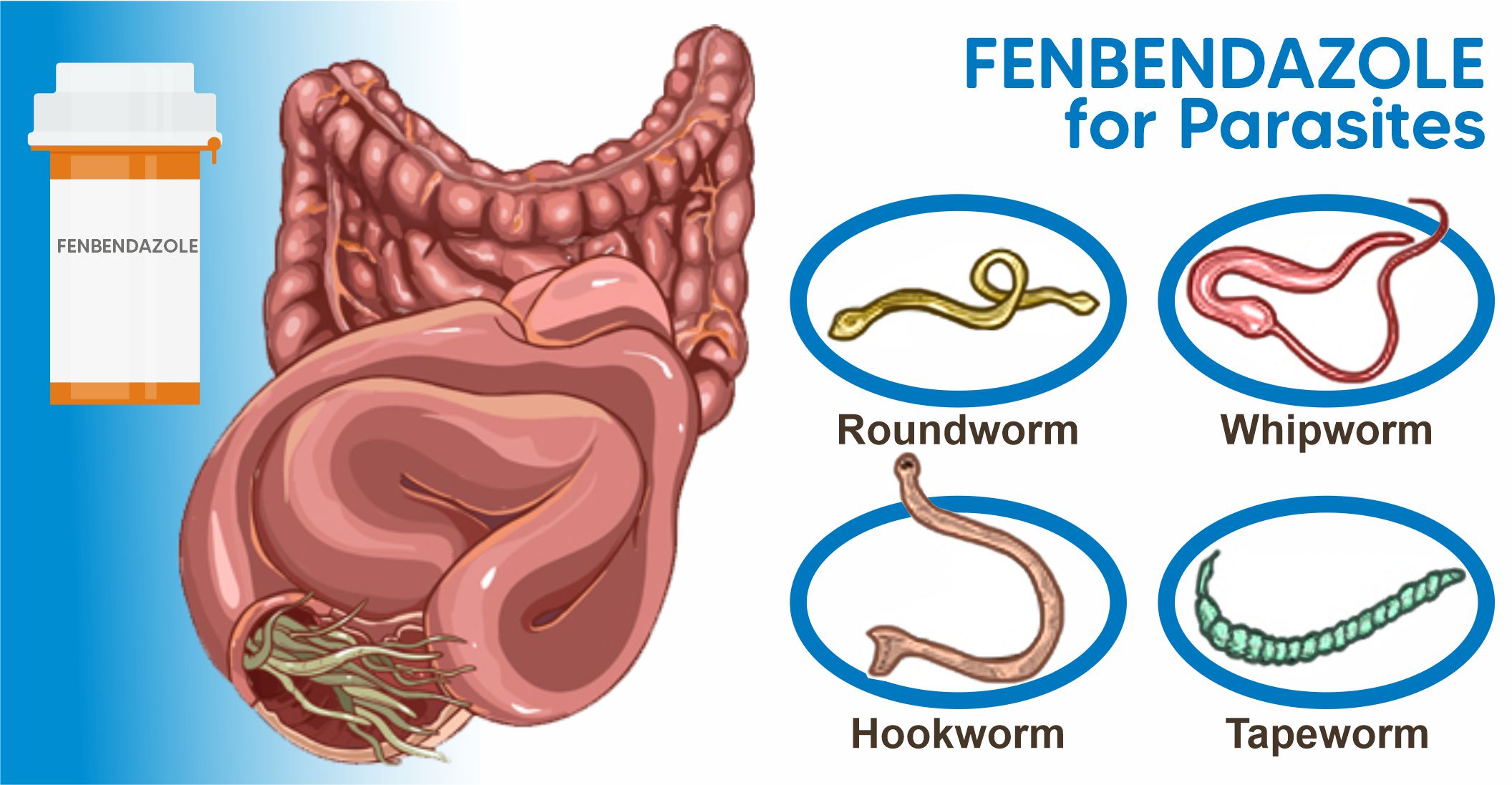
Parasitic infections might not always show signs immediately, but over time, they can lead to various puzzling and challenging health issues:
- Nutrient shortages in diet,
- Cravings for sweets and certain foods,
- Swelling and discomfort in the stomach,
- A drop in red blood cells causing anemia,
- Constant tiredness,
- Elevated body temperature,
- Sweating during the night,
- Aching muscles and joints,
- Skin changes, like a reddish facial blush called rosacea,
- Itchiness near the rear end,
- Itching in the vaginal area.
Fenbendazole for Parasites – How it Does Work?
Fenbendazole operates differently from other worm-fighting drugs. Its unique way of working targets a particular protein, called beta-tubulin, found in the tiny tube-like structures of parasites. Structures known as microtubules play a big role in many cell activities, including cellular division and reproduction. When a parasite takes in fenbendazole, the drug attaches to the beta-tubulin inside these microtubules. The formation of microtubules is disrupted by this interference. This throws off the parasite’s ability to make more of its kind because it can’t reproduce its cells as it should. Moreover, this drug messes with the parasite’s way of using glucose, which is like its fuel. By blocking how it uses this fuel, fenbendazole forces the parasite to run out of energy. Without energy, the parasite starves and dies. The beauty of fenbendazole for human parasites lies in its precision. It specifically targets the beta-tubulin found within parasites, rather than affecting the same component in the host. So, while it’s doing its job on the parasites, it doesn’t harm the host animal’s cells. That’s why fenbendazole is seen as a safe way to get rid of parasites in many cases.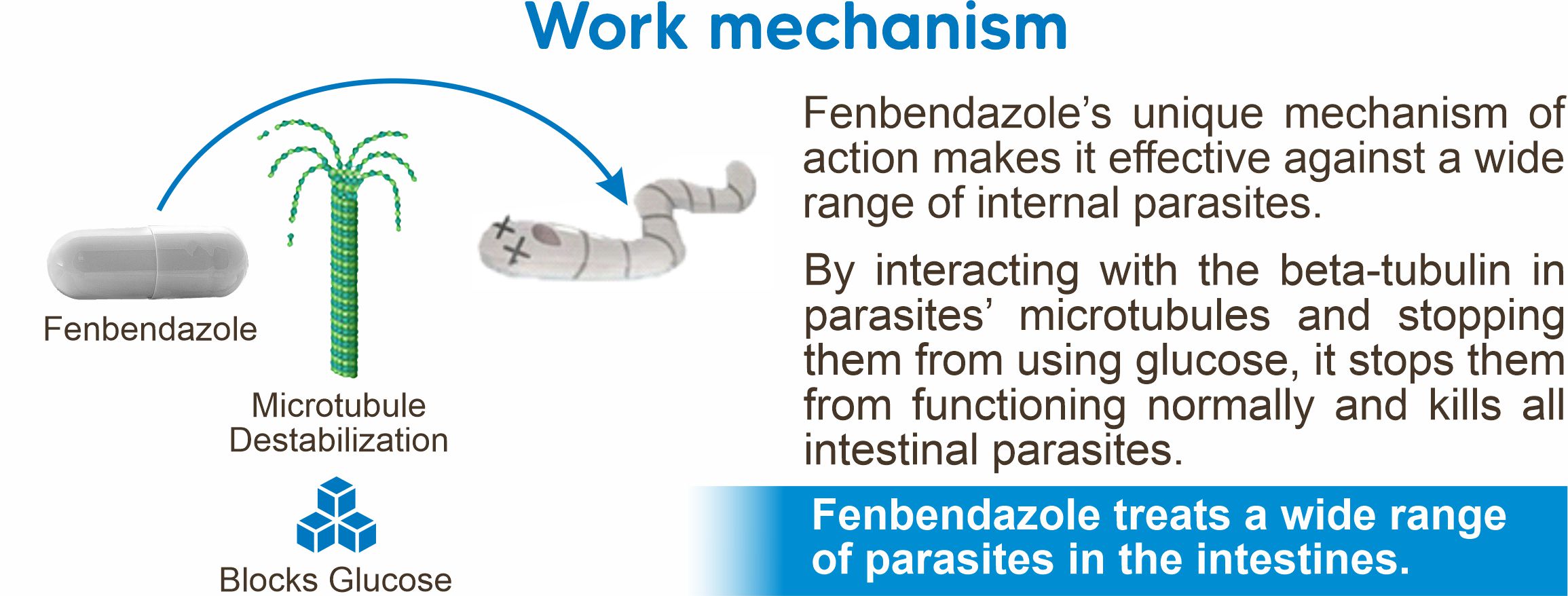
Fenbendazole’s Effectiveness in Treating Two of the Toughest Parasite Diseases
The Dangers of Roundworms (Ascarids)
The presence of ascarids, commonly referred to as roundworms, has the potential to cause significant harm. Their life cycle goes like this: when their eggs are ingested, they reach our gut, where the worm larvae emerge. As they feed and grow, the larvae develop into adult worms in our digestive tracts and begin their journey. In the lungs, these larvae are coughed out and swallowed, finally settling in the intestines where they grow into full-sized adults. And these adults aren’t tiny — they can be as long as 40 centimeters. In high numbers, they can block the intestines, potentially causing serious complications like impaction or even a tear, which could be deadly. However, there is something that we can do, no doubt. Here’s where fenbendazole appears, a medicine that’s quite handy in such a situation. Fenben interrupts the ongoing cycle by specifically targeting the mature roundworms residing in the intestines, essentially starving these worms to death. This approach is gentle but effective, reducing potential side effects that might happen when treating a heavy roundworm load using other medications. Fenbendazole for human parasites is a prime option for killing roundworms due to its remarkable combination of delicacy and efficacy in action. Furthermore, it retains its effectiveness long after you start using it. In contrast, roundworms are becoming more resistant to other drugs like ivermectin, moxidectin, and pyrantel pamoate global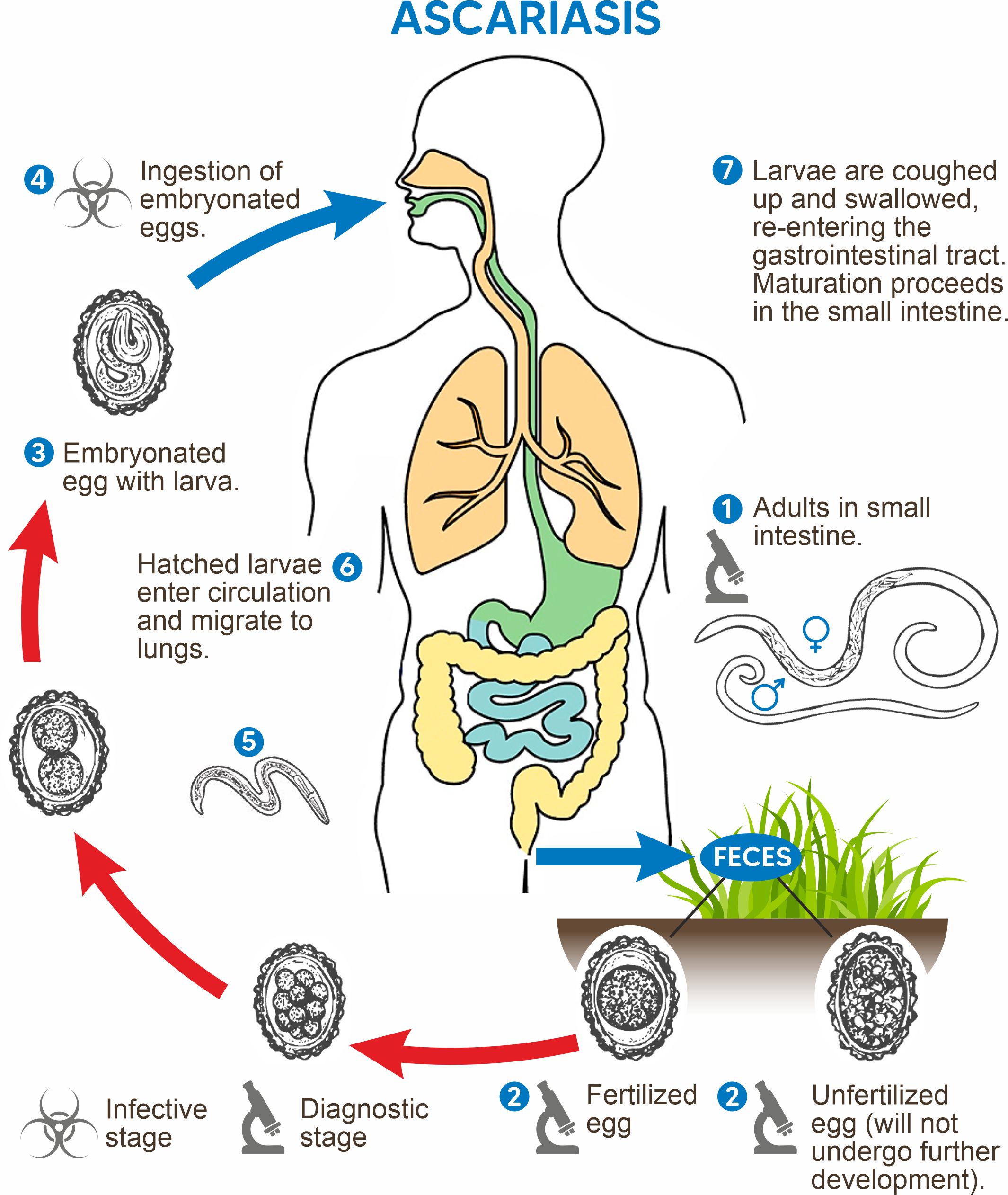
Encysted Small Strongyles
Small strongyles are a notable concern due to their sneaky behavior of encysting or “hiding.” Here’s how they do this: when a host ingests small strongyle larvae, these larvae travel through the stomach and get into the lower intestines. There, they dig into the intestine wall. The tricky part? These larvae can then go dormant or “hide” by encysting within the wall. A staggering 90% can choose to encyst, staying in this halted state for anywhere from 4 months to a lengthy 3 years. With time, these hidden larvae pile up. When they decide to wake up all at once (often in spring), it can lead to major health issues for the host, and in worst cases, death. This is where fenbendazole comes into play. Taking it for a longer period of time in the appropriate amount is the only known treatment that’s been shown to tackle every stage of these hidden strongyles. What makes fenbendazole stand out? It has the unique ability to pierce through the protective layer of the intestines and eliminate these lurking larvae before they become a bigger problem. Fenbendazole stays in the body for a good amount of time. It doesn’t break down so quickly. This prolonged presence ensures that it works well against dormant threats like the encysted small strongyles. Strongyloidiasis can also be treated with ivermectin and albendazole, both of which are widely available.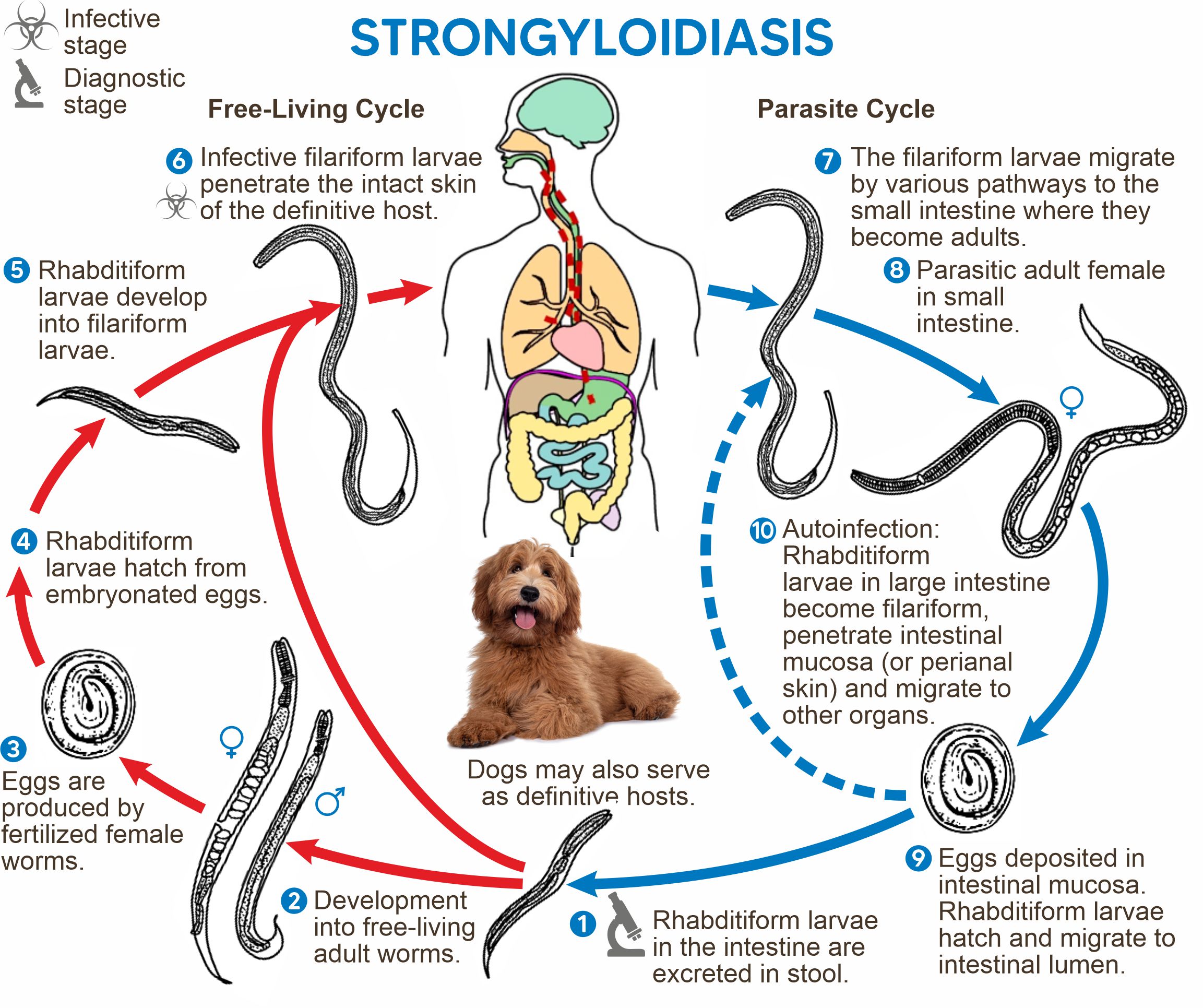
Understanding the Basics of Parasite Management
Humans can be hosts to numerous parasites, ranging from those that can be seen with the naked eye to those that are tiny. It is quite remarkable that even in highly developed nations, there appears to be a considerable number of individuals who carry at least one type of parasite. Parasites are incredibly widespread, making it considerably difficult to fully rid ourselves of their presence. And it’s not just about maintaining personal hygiene. Yes, certain parasites come from raw or undercooked food, but many others are simply present in our surroundings. All parasites have one thing in common – they go through life cycles that involve producing egg sacs. Once a human is infected, the female parasite can lay a staggering 20,000 to 200,000 eggs daily. Inside various locations within our bodies, one can come across these eggs safeguarded by protective sacs. Interestingly, as long as the mother parasite is alive, she releases chemicals that prevent these eggs from hatching. However, if she dies, these eggs hatch and potentially lead to another round of infection in places like the gut or liver. In order to successfully eradicate parasites, it is necessary to tackle both the fully grown organisms and their egg sacs simultaneously. Many chronic inflammatory illnesses that we can’t cure could, in theory, be the result of the body’s continual (and often futile) attempt to eradicate these egg sacs. If left unchecked, the number of these sacs will only grow, leading to increasing inflammation as the body continues its attempts to expel these unwelcome guests.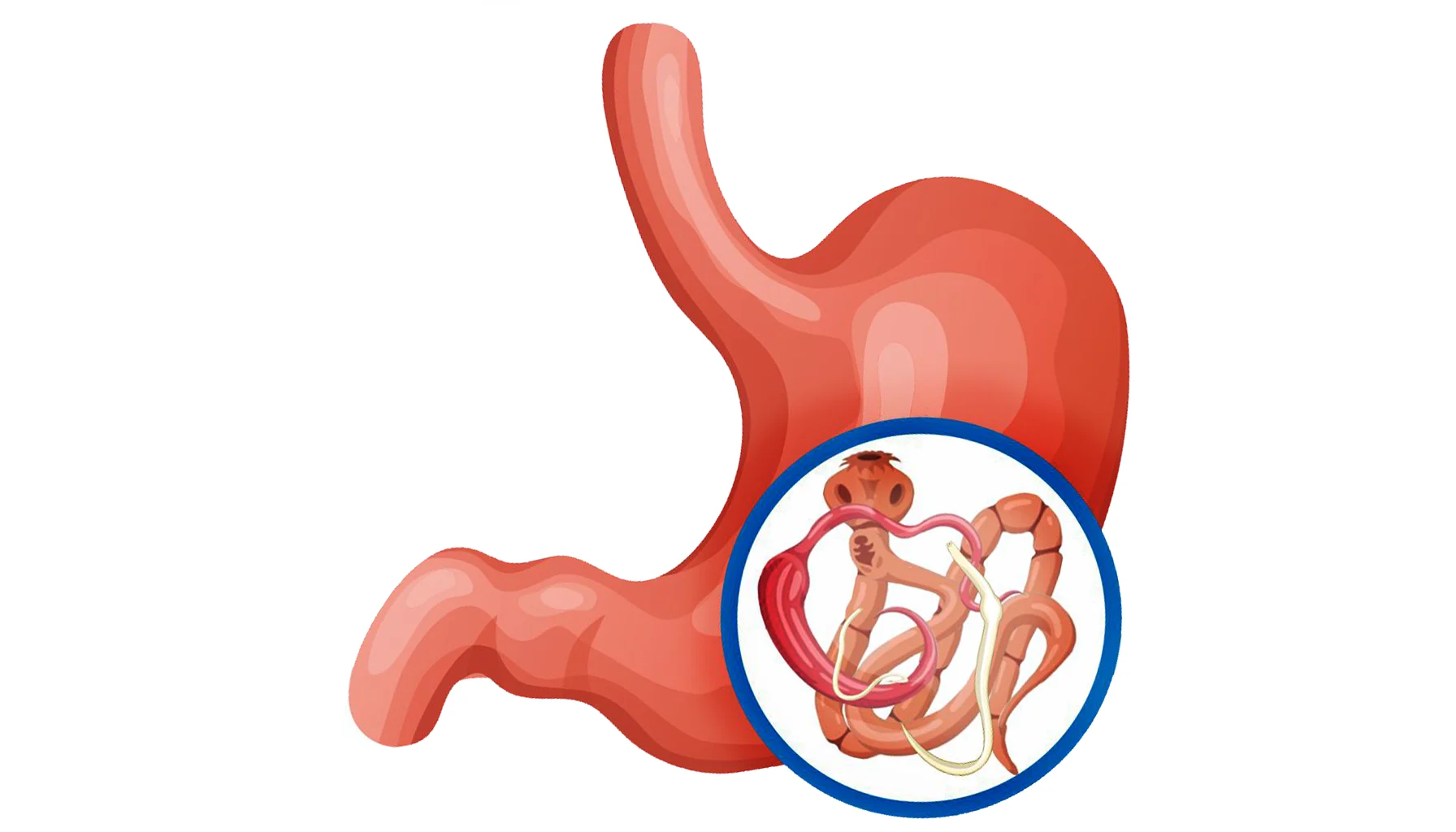
In order to effectively combat parasitic infections, it is of utmost importance to embrace a treatment strategy that follows a cyclical pattern. Simply using the fenbendazole improperly might not target the egg sacs, leading to ongoing inflammation in the body.
Starting a treatment for parasites may lead to noticeable symptoms, including changes in bowel movements, the presence of gas, or even diarrhea. It’s essential to maintain consistency in treatment by ensuring there’s no more than a 2-3 week gap between sessions. This duration is known as the “cycle length.” Extending this cycle might provide a window for a more significant number of parasite eggs to hatch and mature. When you eventually administer the next round of treatment, you might end up killing a vast number of parasites at once. This could trigger a significant allergic response, known as the Herxheimer reaction (named after the doctor who first detailed the phenomenon). Symptoms of this reaction can start with minor histamine-induced issues like sneezing or watery eyes but can escalate to more severe symptoms like fever, rapid heartbeat, shortness of breath, brain fog, and even emotional instability. Using shorter treatment cycles can generally help avoid this reaction.
If an individual doesn’t show signs of inflammation or other health issues linked to parasites, it’s advised for adults to undergo treatment for about two months. It’s beneficial to alternate between medications with slightly different mechanisms of action. I’ve provided a detailed list of treatment options below, but I’ll also share my personal regimen and its ongoing results. Subsequently, a monthly maintenance treatment might be appropriate. For younger children, a reduced treatment duration and dosage are recommended. Consulting a skilled pediatrician for guidance is always a wise move.
How Intestinal Parasites Enter Our System
Intestinal parasites can find their way into our bodies through various means. Here are the primary ways one might acquire these unwanted guests:- Consuming undercooked or raw meat from an infected source, such as cows, pigs, or fish.
- Drinking water that has been contaminated with parasites.
- Ingesting soil tainted with parasitic organisms.
- Direct contact with infected feces.
- Living in or traveling to areas with inadequate sanitation facilities.
- Neglecting proper hygiene practices, like not washing hands regularly.
- Age plays a role; both children and the elderly are more susceptible to infections.
- Frequenting child care or institutional care centers can increase exposure risk.
- Possessing a compromised immune system makes one more vulnerable.
- Those with conditions like HIV or AIDS are at a heightened risk.
Types of Intestinal Parasites
Tapeworms
Tapeworms are intestinal parasites that humans can contract, mainly from consuming undercooked pork or beef. The main species that can infect humans are:

- Taenia saginata: Commonly referred to as the beef tapeworm.
- Taenia solium: Known as the pork tapeworm.
- Taenia asiatica: Often termed the Asian tapeworm.
Fenbendazole Protocol to Kill Parasites
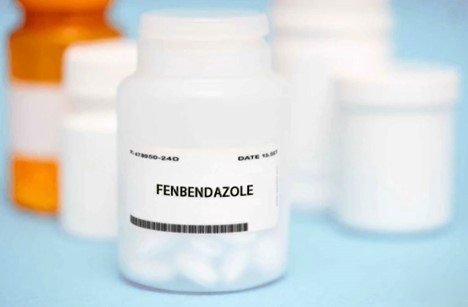
Fenbendazole is commonly employed as an antiparasitic treatment. The usual recommended dosage is 222-444 milligrams, administered daily for five consecutive days. The treatment may need to be repeated after three weeks. It’s noteworthy that 1 gram of Fenbendazole paste contains 100 mg of the active ingredient. A regimen that some adopt (which may be geared more towards cancer, but is possibly addressing parasitic infections) is to take 222 mg daily for three days, pause for 4-5 days, and then recommence the cycle. If employing horse paste as a source, dosing for a 150-pound individual will equate to approximately 357 mg. Nitazoxanide, commercially known as Alinia, can be bought from international pharmacies. The suggested dosage is 500 mg, twice daily for adults, taken over a three-day span. This regimen should be repeated every 5-7 days for a duration of 1-2 months or more if necessary. It’s believed to be effective against various parasite forms and also has antiviral properties.How Does Fenbendazole Work for Parasites?
Fenbendazole functions as an antiparasitic agent by targeting the parasite’s cellular structure. Specifically, it binds to the beta-tubulin proteins within the microtubules of the parasite. Microtubules play an essential role in cell division and maintaining cell shape. When Fenbendazole binds to these proteins, it hinders the formation of these microtubules. This interference with microtubule assembly disrupts the parasite’s cell division process. As a result of this disruption, the parasite’s energy production mechanism is compromised. Deprived of its primary energy source, the parasite ultimately starves and dies, thus effectively eradicating the infection.Diet and Supplements for Parasite Prevention
Dietary Choices:
- Reduce simple carbs. Minimize intake of simple carbohydrates, found in refined foods, fruits, dairy products, juices, and sugars, excluding honey.
- Eat anti-parasitic foods. Incorporate foods known for their anti-parasitic properties such as raw garlic, pumpkin seeds, pomegranates, beets, and carrots. A combination of honey and papaya seeds, for instance, has been shown to eliminate parasites in a majority of study participants.
- Stay hydrated. Drinking ample water aids in flushing out toxins and parasites from the body.
- Boost your fiber intake. Dietary fiber can assist in expelling worms from the digestive tract.
Supplements:
- Probiotics: Including Lactobacillus acidophilus, Lactobacillus plantarum, Saccharomyces boulardii, and bifidobacteria. These friendly bacteria fortify the digestive system. However, they may not be suitable for everyone, especially those with severely compromised immune systems. It’s best to consult a healthcare provider.
- Digestive Enzymes: These can restore the balance in your gut, making it unfavorable for parasites. Papain, an enzyme derived from the papaya fruit, can potentially aid in eradicating worms when consumed around meal times. Caution is needed for individuals with bleeding disorders or those on anticoagulant medications, like warfarin.
- Vitamin C: An immune booster. However, excessive intake might result in diarrhea, so adjust the dose accordingly.
- Zinc: Another immune system ally. Be aware that zinc can interfere with certain medications, notably some antibiotics, and may not be suited for those with conditions like HIV/AIDS. Always consult with your physician before making changes to your supplement regimen.